Channel Dynamics in Shaping Cost-Effective Withdrawal Patterns Across Payment Networks
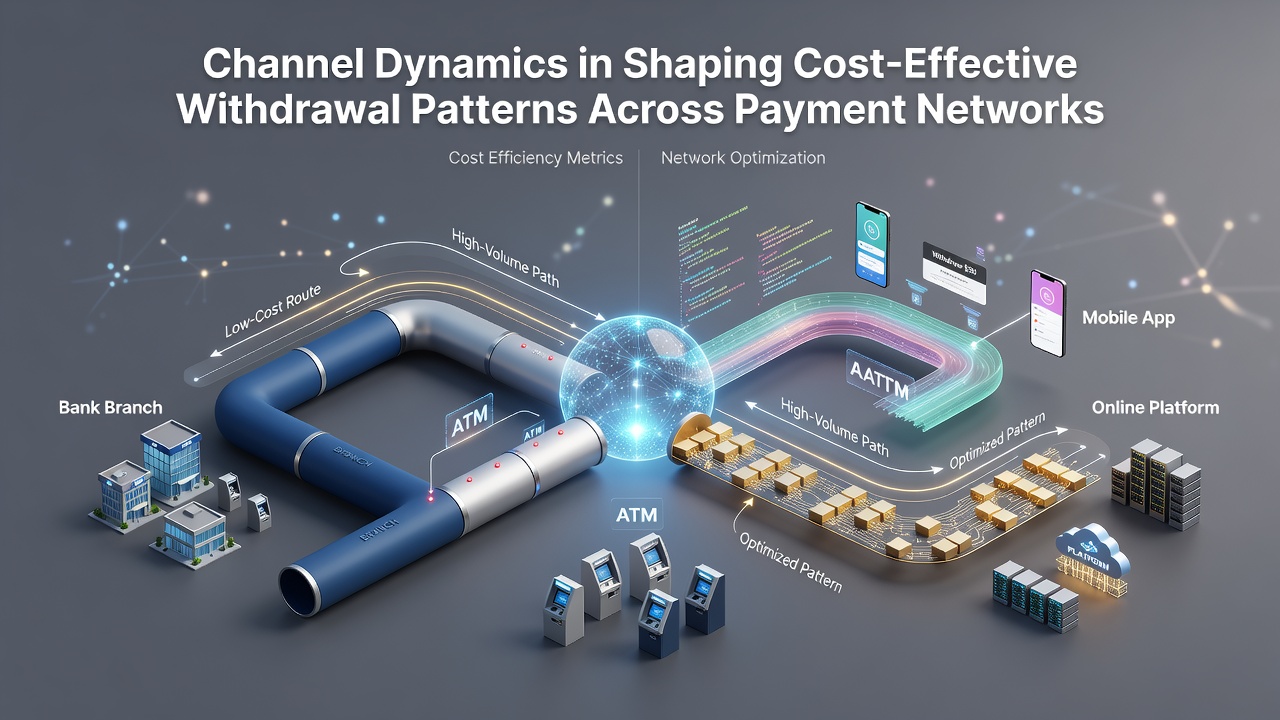 Payment networks operate through multiple interconnected channels that determine how funds move from digital accounts to end users, and these channel dynamics directly influence the fees and timelines associated with withdrawals. Observers note that selecting among bank transfers, e-wallet services, and emerging blockchain rails creates different cost structures because each pathway carries its own verification requirements, liquidity pools, and settlement speeds. Data from global transaction monitoring systems indicates that users who route withdrawals through optimized channel combinations often achieve lower per-transaction expenses compared with single-channel approaches. Channel selection begins with an assessment of available routes between originating platforms and destination accounts. Researchers at institutions studying financial infrastructure have documented how banks typically impose higher fixed fees for cross-border movements while e-wallets leverage internal netting to reduce those charges. In practice, a withdrawal initiated through an integrated API endpoint can automatically evaluate real-time pricing across participating networks before execution, which streamlines the process without requiring manual intervention from account holders.
Core Elements of Channel Interoperability
Interoperability protocols allow data to flow between otherwise separate systems, and payment providers have expanded these connections substantially in recent years. According to reports compiled by the Bank for International Settlements, standardized messaging formats have enabled faster reconciliation between traditional banking rails and digital wallet ecosystems. This integration reduces the number of intermediary hops a transaction must complete, which in turn lowers cumulative fees that accumulate at each step.
Verification layers embedded within each channel also shape outcomes. Networks that share user history across platforms can bypass redundant identity checks, accelerating approvals while maintaining compliance standards. Figures from European Central Bank analyses reveal that shared KYC repositories have contributed to measurable declines in average processing times for intra-network transfers during the first half of 2026.
Cost Structures Across Different Routes
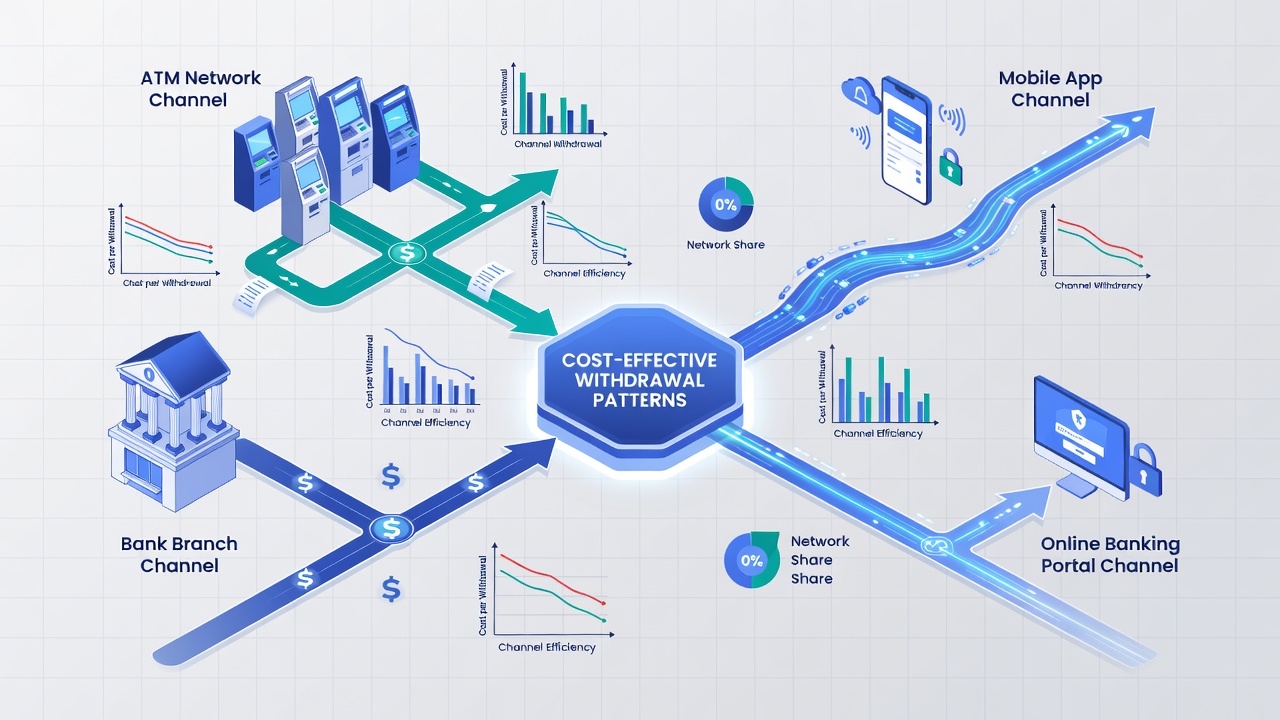
Withdrawal patterns vary significantly depending on whether funds travel through domestic bank links, international card networks, or cryptocurrency settlement layers. Domestic bank channels frequently offer the lowest percentage-based fees for high-volume users because settlement occurs within established clearing houses. In contrast, cross-border e-wallet transfers may incorporate dynamic pricing that adjusts according to currency volatility and liquidity availability at any given moment.
Support infrastructure plays a supporting role in maintaining these efficiencies. Automated monitoring tools flag potential delays before they affect settlement, allowing providers to reroute transactions through alternative channels when primary pathways experience congestion. This adaptive routing has become standard practice among large-scale payout operators who handle affiliate disbursements and merchant settlements on a daily basis.
Developments Observed Through July 2026
By July 2026, several payment networks had implemented enhanced channel orchestration layers that evaluate multiple variables simultaneously before finalizing a withdrawal path. These systems incorporate live data on network uptime, regulatory hold periods, and partner liquidity thresholds. Industry reports indicate that organizations adopting such orchestration have recorded consistent reductions in average withdrawal costs across mixed bank and wallet portfolios.
Regulatory updates in various jurisdictions have further influenced channel preferences. Updated guidelines from the Monetary Authority of Singapore, for instance, encouraged greater transparency in fee disclosure across digital channels, prompting providers to surface comparative cost information at the point of withdrawal initiation. Similar transparency measures have appeared in other regions, creating a more competitive environment where channel selection becomes a visible decision factor for users.
Practical Patterns in Multi-Channel Environments
Users managing frequent payouts across regions demonstrate distinct behaviors when interacting with these dynamics. Those who maintain verified profiles across several networks can shift between channels based on daily pricing signals without encountering repeated compliance hurdles. Transaction archives stored in shared databases support this flexibility by preserving approval histories that downstream systems recognize automatically.
One documented pattern involves batching smaller withdrawals into consolidated transfers that traverse lower-cost rails before final distribution. This approach aggregates volume to negotiate better rates with intermediary processors while preserving the appearance of individual disbursements at the recipient end. Network operators report that such techniques have gained traction among platforms handling recurring affiliate or vendor payments.
Conclusion
Channel dynamics continue to evolve as payment networks refine their interconnections and data-sharing capabilities. The interplay between verification protocols, liquidity management, and routing intelligence determines which withdrawal patterns deliver the most economical results for participants. As additional interoperability standards emerge, the range of viable low-cost pathways is expected to expand further, allowing providers and users alike to navigate these systems with greater precision based on real-time conditions and historical performance data.