Channel Integration Patterns That Shape Cost-Efficient Fund Movements Across Modern Digital Networks
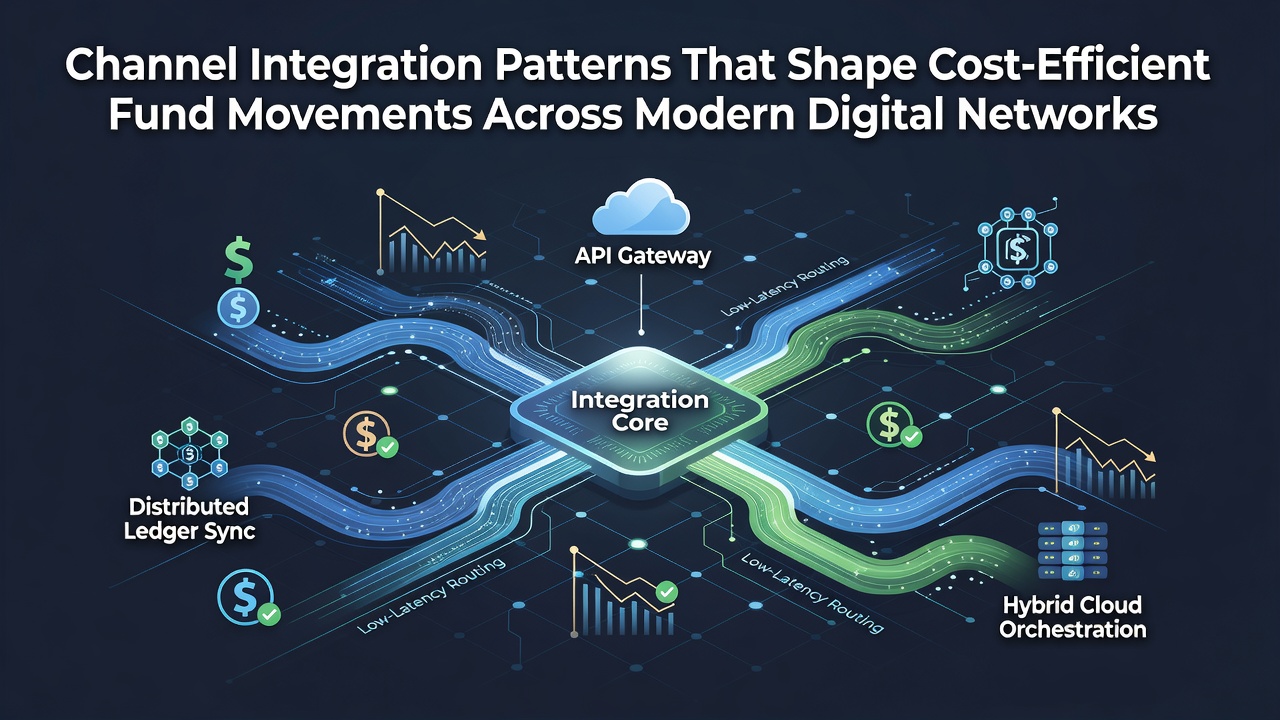
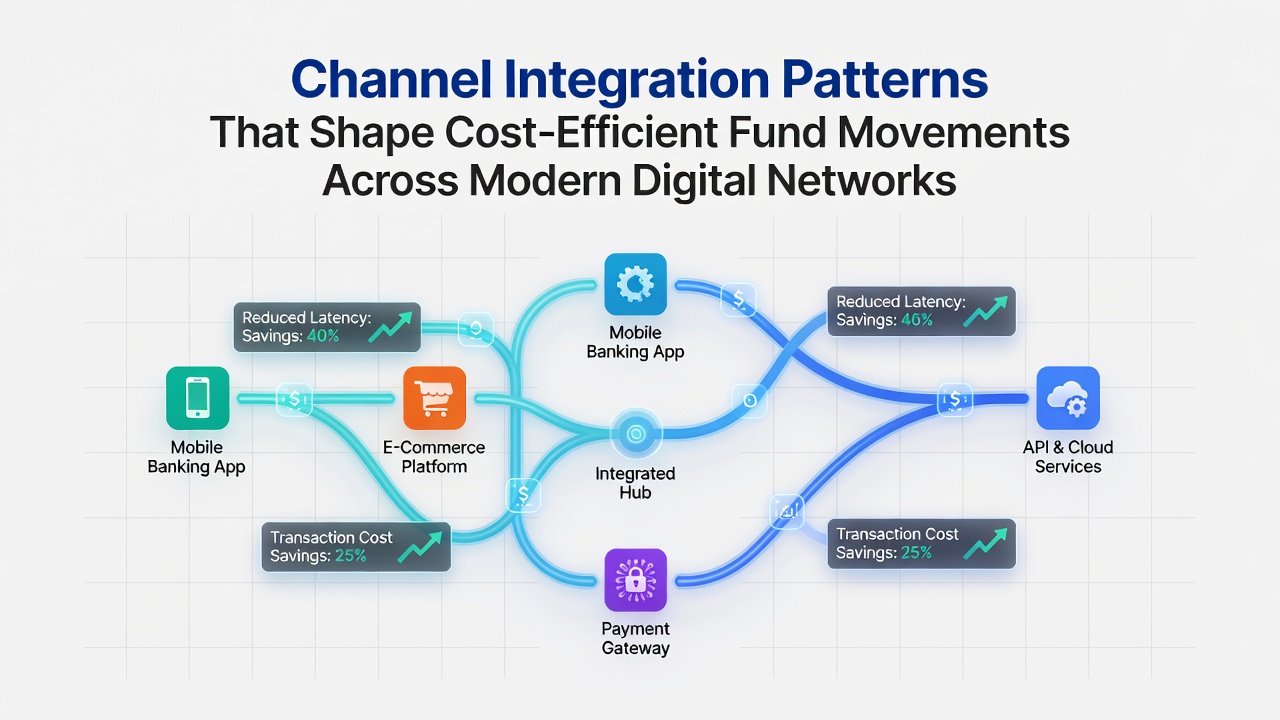
Modern digital networks rely on carefully designed channel integration patterns to move funds at lower costs while maintaining speed and security. These patterns connect banks, e-wallets, payment processors, and clearing systems through standardized interfaces that reduce redundant checks and manual interventions. Observers note that organizations adopting unified APIs across multiple endpoints often achieve measurable reductions in per-transaction overhead, especially when handling high volumes of cross-border or retail transfers.
Core Integration Architectures in Use Today
Hub-and-spoke models remain common in many regions because they centralize routing logic at a single node that manages connections to peripheral channels. This setup allows institutions to update compliance rules once rather than across every partner link, which cuts ongoing maintenance expenses. Mesh architectures, by contrast, distribute decision-making across nodes so that funds can reroute automatically when one path experiences delays or higher fees. Research from institutions such as the Bank for International Settlements shows that hybrid approaches combining both models have gained traction since 2024 as networks scale to accommodate real-time payments.
API gateways serve as the practical layer that enforces these patterns. They translate requests between legacy core banking systems and newer digital wallet protocols, which eliminates the need for custom middleware on every integration. Data indicates that gateways equipped with intelligent caching and batching capabilities further lower network traffic during peak periods, producing direct savings on bandwidth and processing fees.
Verification and Logging Mechanisms That Reduce Friction
Integrated channels benefit when verification steps occur at the earliest possible node rather than repeating at each hop. Shared ledger snapshots and tokenized identity references allow downstream systems to trust upstream approvals without re-querying source data. In practice this means fewer API calls per transfer and shorter settlement windows. European Central Bank reports from early 2025 highlight how standardized verification schemas across euro-area instant payment systems contributed to average cost declines of several basis points on retail transactions.
Activity logs stored in distributed but synchronized repositories provide the audit trail required by regulators while supporting rapid dispute resolution. When logs are accessible through the same gateways that handle fund movement, support teams spend less time reconciling records across siloed platforms. This alignment between documentation and operational channels directly influences the total cost of ownership for payment providers.
Regional Developments Emerging in Mid-2026
By June 2026 several Asia-Pacific networks had completed phased rollouts of unified messaging standards that link domestic fast-payment rails with cross-border corridors. These updates allow originating banks to select the lowest-cost route dynamically based on real-time liquidity data shared through the integrated channels. Canadian payment modernization efforts during the same period introduced similar routing intelligence within their real-time rail, resulting in documented improvements in end-to-end processing efficiency according to Payments Canada publications.
Academic studies from universities in Australia and Singapore have examined how machine-learning models embedded at integration points predict congestion and pre-emptively shift traffic. Early findings suggest these predictive layers can trim peak-hour fee premiums by identifying underutilized corridors before queues form. The models rely on historical volume patterns and current settlement prices pulled directly from the connected networks rather than external data feeds.
Security Protocol Alignment Across Channels
Cost-efficient movement also depends on consistent security controls that do not introduce repeated encryption or authentication overhead. When channels share mutual authentication frameworks and token formats, each transfer avoids redundant cryptographic operations. Industry analyses from the World Bank’s payment systems division indicate that such alignment has helped lower the infrastructure burden for smaller financial institutions that lack resources for bespoke security stacks on every connection.
Multi-channel orchestration platforms further support this by exposing a single control plane for policy enforcement. Updates to fraud-detection rules propagate simultaneously across bank links, wallet interfaces, and clearing houses, which reduces the window during which inconsistent rules might force manual reviews or rejected transactions. Fewer rejected items translate into direct savings on retry fees and customer-support handling.
Conclusion
Channel integration patterns continue to evolve as networks incorporate more endpoints and real-time requirements. The most effective designs centralize routing intelligence, share verification outcomes early, and align security protocols so that each fund movement traverses the fewest redundant steps possible. Evidence from regulatory bodies and research institutions demonstrates that these coordinated approaches deliver measurable reductions in operational costs while preserving the speed and reliability demanded by modern digital finance. Organizations evaluating new connections benefit from assessing how well candidate patterns support shared logging, dynamic routing, and consistent authentication across their existing ecosystem.