Decoding the Patterns of Channel Selection for Secure and Rapid Financial Transactions
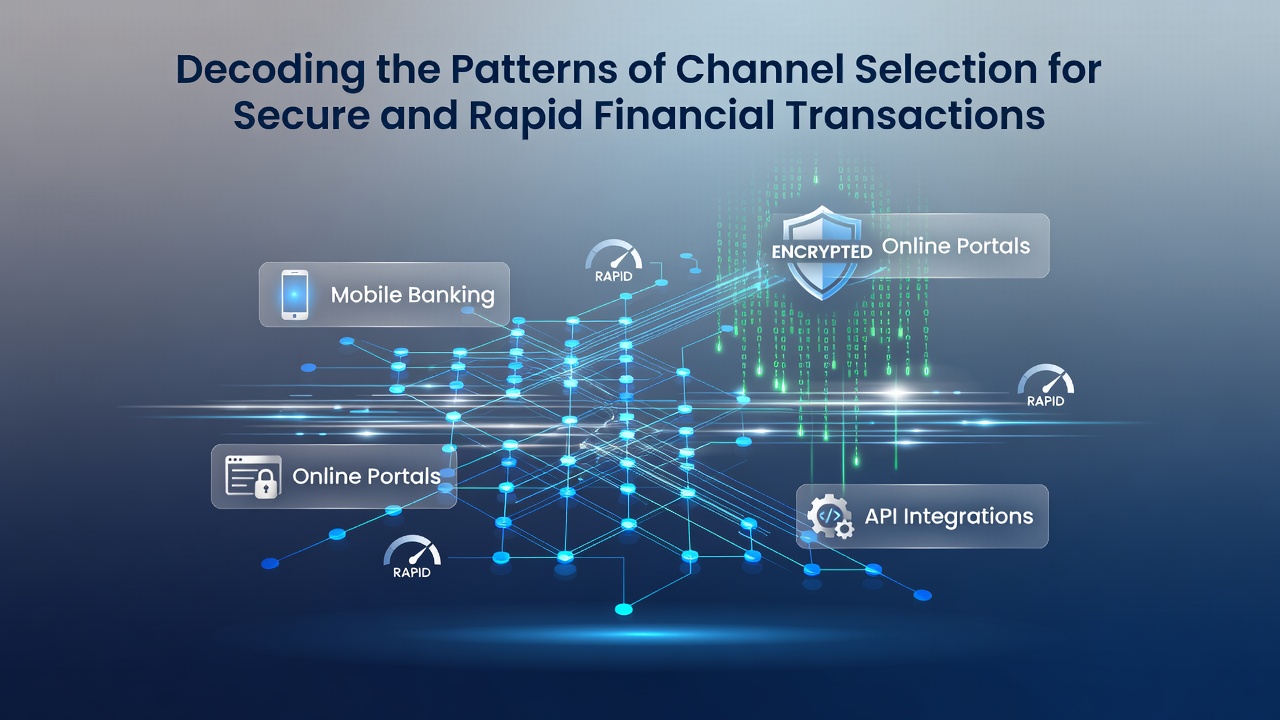 Financial institutions and payment processors analyze multiple variables when determining optimal channels for transactions, and these decisions shape both security outcomes and processing speeds across global networks. Data from transaction logs reveals recurring patterns in how entities route funds through banks, e-wallets, and emerging digital rails, particularly as volumes increase during peak periods. Researchers track these selections by examining factors such as encryption standards, compliance checkpoints, and latency metrics that vary by region and provider type. Studies indicate that organizations prioritizing multi-factor authentication alongside real-time monitoring often achieve faster clearance times without compromising integrity checks.
Core Variables in Channel Decision Frameworks
Payment systems evaluate several interconnected elements before committing to a specific route, and these include historical success rates for similar transaction profiles, current network loads, and regulatory alignment across jurisdictions. Observers note that patterns emerge when systems consistently favor channels with embedded biometric verification over those relying solely on password-based access, since the former reduces reversal incidents by measurable margins.
According to reports from the European Central Bank, integration of automated scoring models helps identify routes that balance cost with protection layers, while figures from the Federal Reserve highlight how domestic versus cross-border distinctions influence routing priorities in the United States. Those who study these systems find that entities frequently alternate between primary and fallback channels based on prior performance data collected over rolling 90-day windows.
Security Layer Integration Across Options
Channel selection incorporates layered defenses that adapt to transaction value and user behavior profiles, and patterns show heavier reliance on tokenized transfers for amounts exceeding certain thresholds. This approach limits exposure during any single point of failure, while maintaining throughput for routine transfers. Entities that map security protocols against channel capabilities often record lower incident rates, as documented in aggregated industry datasets.
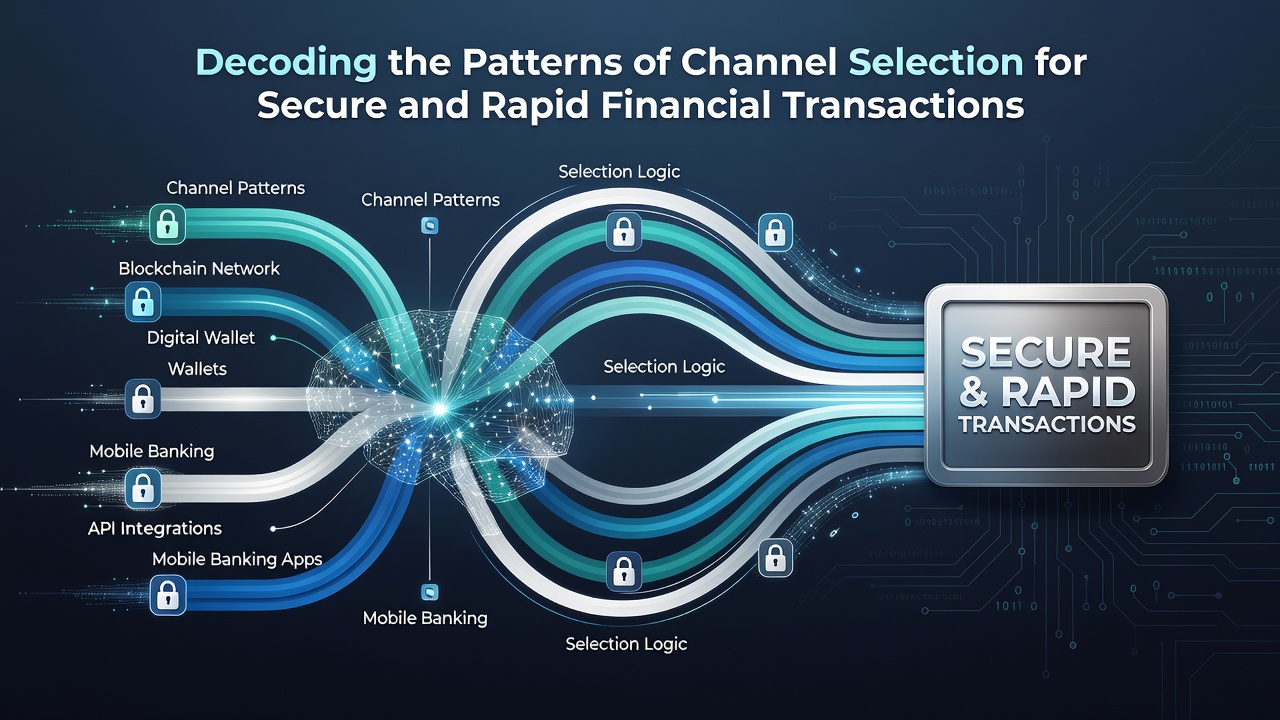
Analysts observe that channels supporting end-to-end encryption paired with dynamic risk scoring demonstrate consistent advantages during high-velocity periods. Data indicates these combinations support sub-second approvals in many retail scenarios, whereas legacy rails without such features encounter additional review steps that extend processing windows.
Speed Optimization Through Pattern Recognition
Algorithms detect recurring sequences in successful transfers and apply those insights to future routing decisions, and this method accelerates approvals by pre-empting common bottlenecks. Research from academic institutions shows that machine learning models trained on multi-year transaction histories can predict optimal channels with accuracy rates above 85 percent in controlled tests. Those models factor in time-of-day variations, recipient verification status, and concurrent system activity levels.
Patterns also surface when comparing performance across e-wallet networks versus traditional bank linkages, where the former often provide quicker internal settlements but require additional external validation for larger movements. As of July 2026, updated metrics from international clearing houses continue to refine these comparisons as new protocols gain adoption.
Regional and Regulatory Influences on Routing
Different regulatory environments impose distinct requirements that shape channel preferences, and patterns reflect adaptations to local data residency rules or consumer protection mandates. In the European Union, for instance, frameworks emphasize consumer consent logs that steer selections toward channels with built-in audit trails. Similar dynamics appear in Asia-Pacific markets where interoperability standards encourage diversified routing strategies.
Entities that align selections with these regional nuances maintain smoother operations across borders, since mismatches trigger extra compliance reviews. Data compiled by research consortia reveals that organizations maintaining updated regulatory mappings experience fewer delays during cross-jurisdictional movements.
Conclusion
Decoding channel selection patterns requires continuous analysis of security, speed, and compliance data, and institutions that apply these insights systematically achieve more reliable transaction outcomes. Ongoing developments in analytics tools support further refinement of these decisions as networks evolve.