Examining Correlations Between Funding Sources and Cost Savings in Electronic Fund Movements
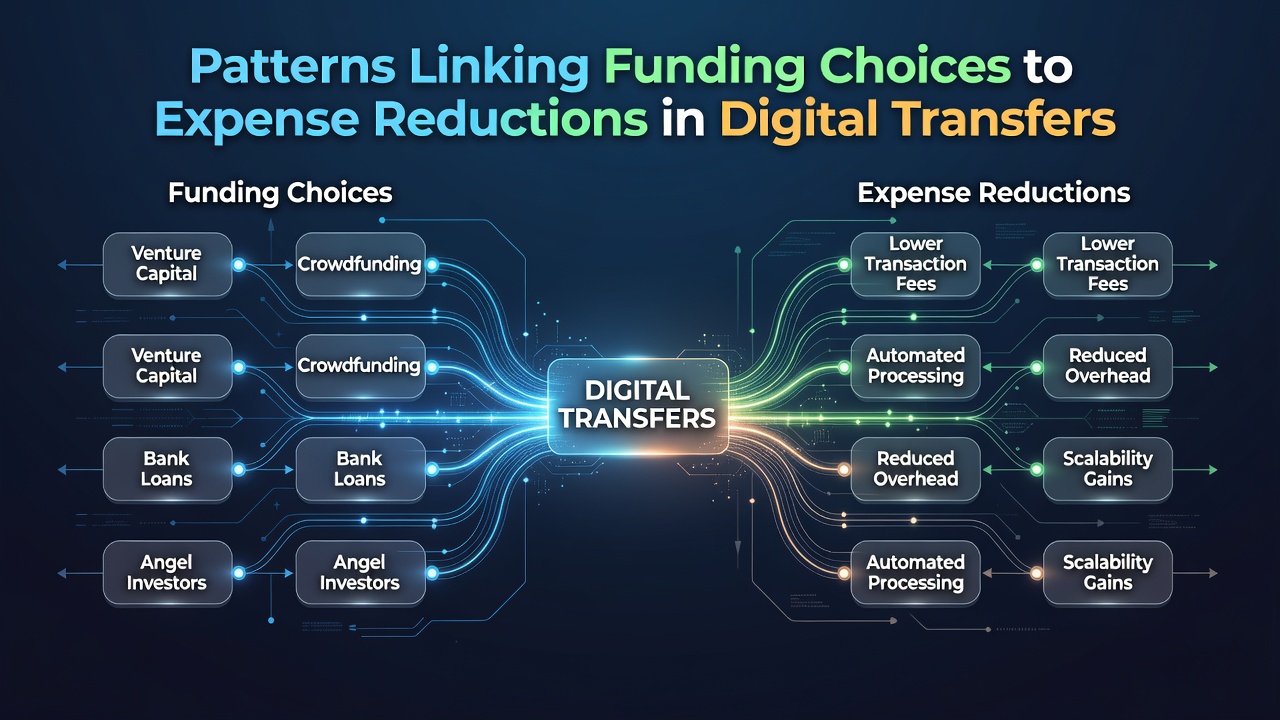 Observers note consistent patterns where specific funding selections align with measurable drops in transfer expenses, particularly when users route payments through established banking rails rather than intermediary card networks. Data from payment system analyses reveal that direct account-to-account initiations frequently bypass percentage-based surcharges common in credit-based entries, creating predictable savings that accumulate across repeated transactions. Researchers tracking electronic finance flows have documented how choices made at the funding stage influence downstream pricing structures, with certain pathways demonstrating lower overall costs due to reduced processing layers. These alignments emerge across multiple platforms where bank-linked debits show average expense reductions of 1.5 to 3 percent compared with alternative entry points, according to aggregated industry figures.
Funding Method Patterns and Expense Outcomes
Patterns surface when examining direct bank debits versus digital wallet loads funded through cards, since the former typically encounters flat or minimal fees while the latter incurs layered charges from both card networks and wallet operators. Those who've studied transaction datasets find that selecting automated clearing house entries correlates with expense reductions that compound in high-volume scenarios, whereas instant card-based funding maintains higher baseline costs regardless of destination.
One analysis of cross-border movements indicates that users opting for local currency funding sources at origin points experience fewer conversion markups, producing savings that become evident when compared against multi-currency card routes. Evidence from payment monitoring services shows these choices create measurable gaps in total outlay, especially during periods of currency volatility leading into mid-2026 projections.
Network Integration Effects on Cost Structures
Integration between funding channels and receiving networks produces further patterns of expense reduction when selections favor interoperable systems over fragmented ones. Studies of digital transfer economics demonstrate that bank-to-bank linkages often bypass additional verification or routing fees that accumulate in wallet-to-wallet sequences funded externally, resulting in streamlined cost profiles.
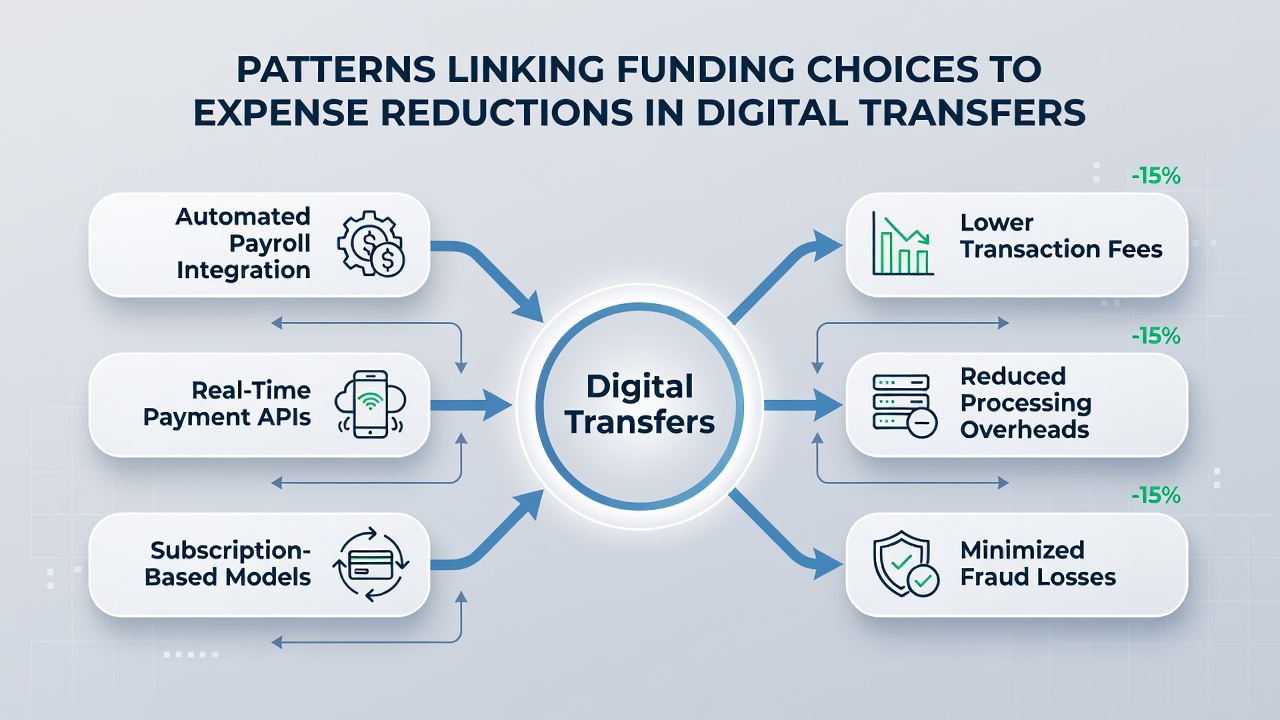
What's notable is how certain combinations, such as recurring automated transfers from checking accounts, align with volume discounts offered by receiving institutions, while one-off card loads rarely qualify for similar adjustments. Figures from the Bank for International Settlements highlight these divergences across participating economies, where funding consistency drives the observed reductions.
Temporal and Volume-Based Correlations
Timing of funding decisions also connects to expense outcomes, with patterns emerging around batch processing windows that reward advance scheduling over immediate execution. Data indicates that initiating transfers from pre-funded accounts during off-peak periods avoids premium routing charges sometimes applied to real-time card authorizations, creating consistent savings documented in operational reports.
Volume thresholds play a role as well, since accounts maintaining steady funding from salary deposits or scheduled transfers frequently access tiered pricing unavailable to sporadic card-funded activity. Research compiled by the European Central Bank reveals these volume-linked patterns across euro-area systems, where sustained funding choices translate into lower per-transaction expenses over time.
Cross-Platform Observations
Across platforms, analysts observe that funding source stability influences eligibility for promotional or reduced-rate structures, particularly when digital services prioritize direct deposit origins. Patterns linking these selections to expense reductions appear in both retail and commercial transfer volumes, where predictability in funding methods supports negotiated fee schedules unavailable through variable card entries.
Those examining longitudinal datasets note that shifts toward bank-origin funding coincide with documented declines in cumulative costs, especially as platforms adjust pricing models to favor lower-risk entry points. These correlations hold across regions where regulatory frameworks encourage transparent fee structures tied to funding provenance.
Conclusion
Patterns linking funding choices to expense reductions in digital transfers reflect measurable alignments between source selection and processing economics, supported by data from multiple payment oversight bodies. Organizations monitoring these flows continue to identify consistent relationships where direct, stable funding methods correlate with lower overall expenditures compared with intermediary-heavy alternatives. As digital networks evolve through 2026, these documented connections provide frameworks for understanding cost dynamics in electronic movements.