Synchronizing Protection Layers Across Multiple Channels to Optimize Digital Exchange Economics
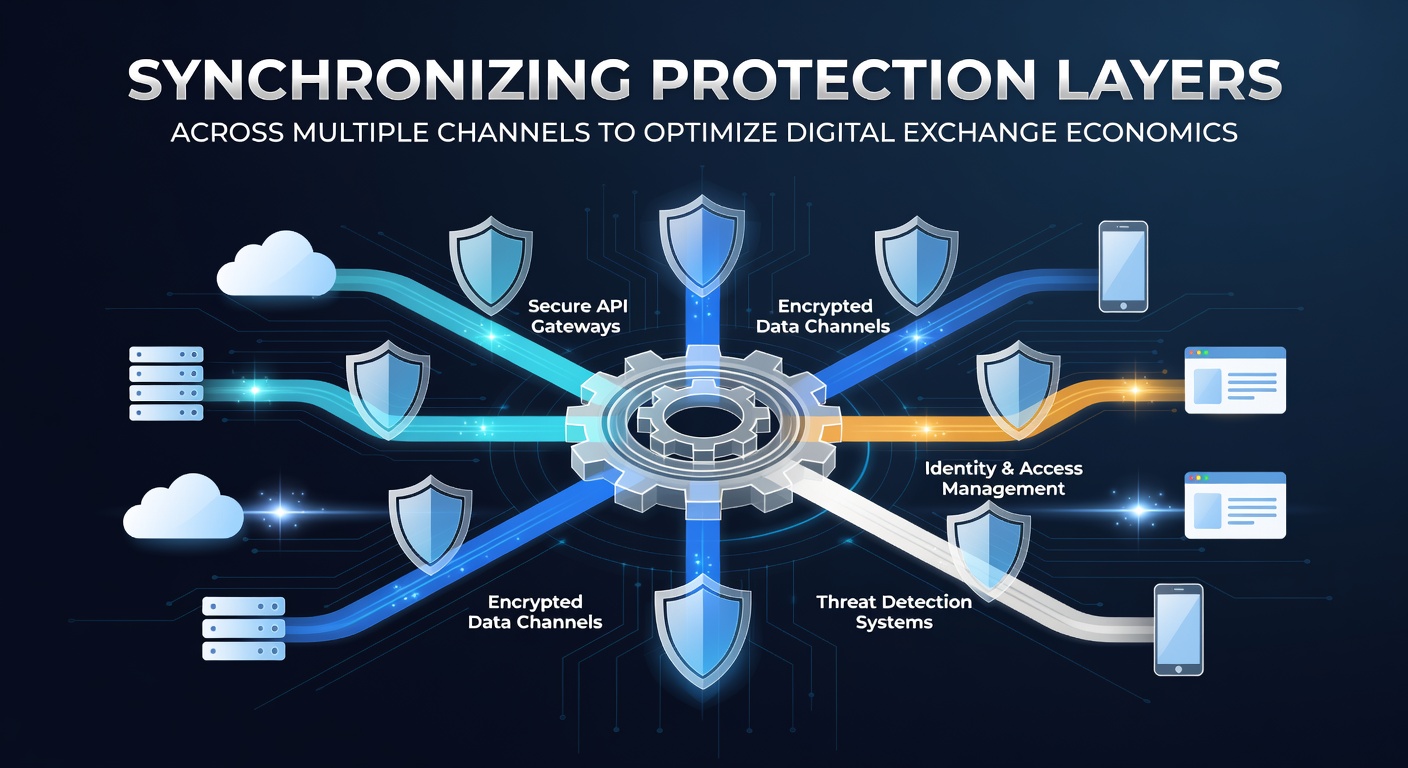
Financial institutions and payment providers coordinate multiple protection mechanisms such as identity verification, fraud detection, and compliance monitoring when handling transfers between banks, digital wallets, and cryptocurrency platforms. These layers operate across different channels yet require alignment to reduce processing delays and lower operational expenses. Data from industry reports shows that fragmented security protocols often increase transaction costs by requiring repeated checks at each stage of an exchange.
Researchers at payment technology firms have documented how mismatched verification steps create bottlenecks. For instance, a user initiating a transfer from a bank account to an e-wallet may encounter separate authentication processes that duplicate effort without adding proportional security value. Synchronization addresses this by allowing verified data to flow securely between systems while maintaining regulatory standards.
Core Components of Protection Layers in Digital Exchanges
Protection layers typically include know-your-customer protocols, anti-money laundering screening, real-time fraud analytics, and transaction logging. Each component serves a distinct function yet overlaps when channels remain isolated. Observers note that banks traditionally emphasize regulatory reporting while cryptocurrency exchanges prioritize wallet security and velocity checks.
Those who manage digital exchange platforms find that integrating these elements requires standardized data formats and secure application programming interfaces. Studies from financial technology research groups indicate that unified data pipelines can cut redundant verifications by up to 40 percent in multi-channel environments. This integration preserves the integrity of each layer while enabling faster movement of funds.
Challenges When Channels Operate Independently
Independent operation of protection layers leads to repeated identity confirmations and inconsistent risk scoring. A single user profile might undergo full screening on a bank platform only to face similar requirements again when moving value into a digital wallet. Such repetition raises both direct costs through additional processing and indirect costs through user drop-off during lengthy approval sequences.
Geographic differences compound these issues. Regulations in the European Union require specific reporting timelines under the Payment Services Directive while frameworks in North America emphasize consumer protection disclosures. Payment processors handling cross-border flows must reconcile these requirements without duplicating efforts across every channel involved.
Methods for Aligning Protection Mechanisms
Alignment begins with shared identity repositories that store verified attributes in encrypted formats accessible across authorized channels. Tokenization allows one verification event to support subsequent transfers without exposing sensitive details repeatedly. Experts in information security have shown that federated learning techniques can improve fraud models by combining insights from bank and wallet datasets while keeping raw transaction data localized.
API gateways play a central role by enforcing consistent policy rules at each exchange point. When a transaction moves from a cryptocurrency platform to a bank account, the gateway applies the appropriate risk threshold based on channel-specific parameters yet references a common user history. This approach maintains channel autonomy while synchronizing outcomes. In May 2026 several payment networks reported expanded use of such gateways following updates to settlement standards from the Bank for International Settlements.
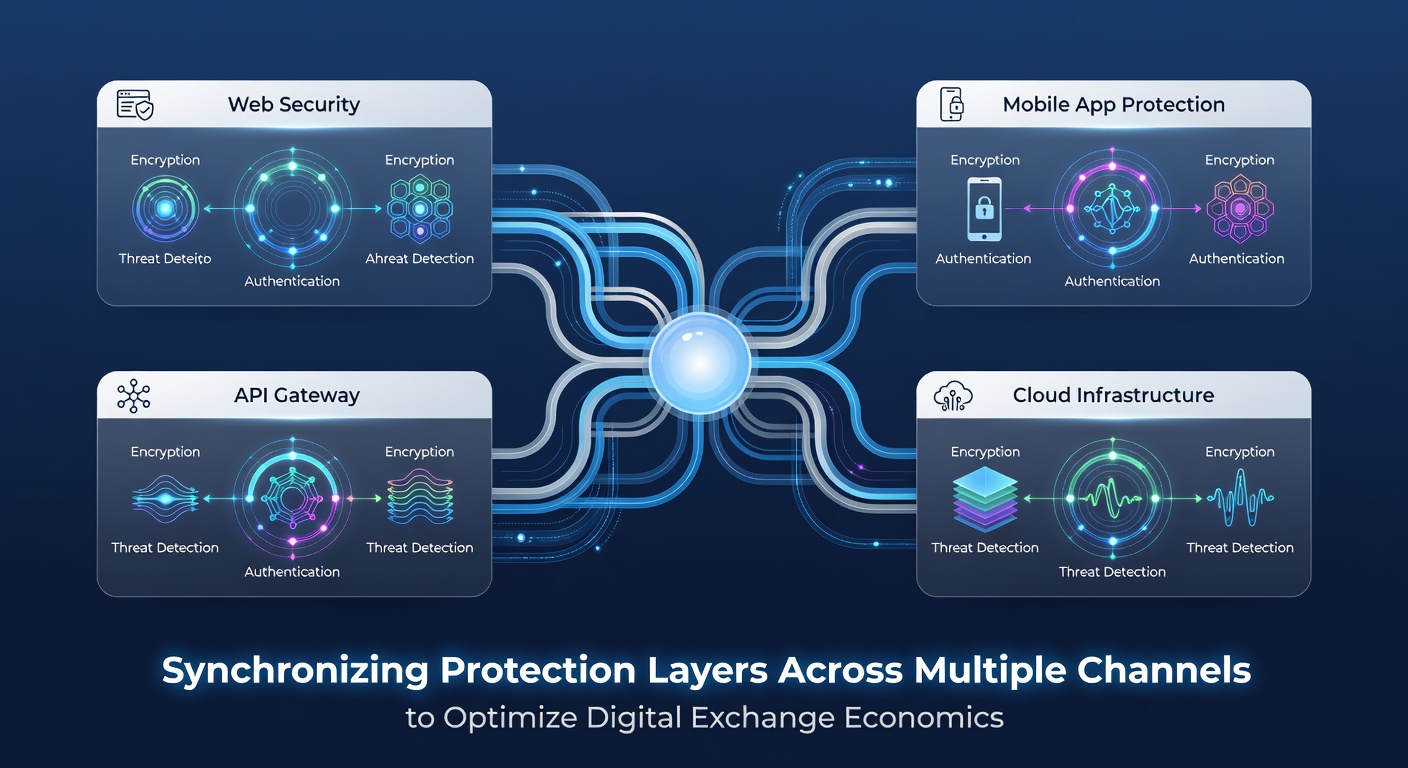
Collaboration extends to support functions as well. When disputes arise, synchronized logging permits quicker resolution because each channel accesses the same timeline of events rather than reconstructing histories separately. Industry organizations such as the Bank for International Settlements have published frameworks that encourage this level of interoperability among payment participants.
Economic Impacts of Coordinated Layers
Coordinated protection reduces per-transaction expenses by minimizing duplicate compliance work and lowering error rates that trigger manual reviews. Figures from payment processor analyses reveal average cost reductions of 15 to 25 percent when verification data travels securely between channels. These savings become particularly noticeable in high-volume affiliate payout networks and merchant settlement flows.
Speed improvements follow directly from fewer sequential checks. Transfers that previously required hours for cross-channel confirmation now complete in minutes when protection layers reference shared risk scores. Lower latency supports more competitive pricing for end users because providers pass along operational efficiencies. Data released by the European Central Bank in early 2026 highlighted measurable declines in settlement delays for synchronized euro-area digital payment schemes.
Additional benefits appear in scalability. Platforms that synchronize layers can onboard new channels without rebuilding entire compliance stacks. This flexibility proves valuable when emerging wallet providers or regional banks join existing exchange ecosystems.
Implementation Examples Across Regions
Payment networks in Asia-Pacific have piloted synchronized systems that link domestic bank transfers with regional e-wallet services. Results showed faster approval cycles for cross-border remittances while preserving local regulatory reporting. Similar pilots in Latin America focused on cryptocurrency-to-fiat pathways where unified fraud detection reduced chargeback volumes.
North American processors have emphasized integration between traditional banking rails and newer digital asset platforms. Shared monitoring dashboards allow compliance teams to track activity across both environments from a single interface. Such setups illustrate how synchronization supports regulatory expectations without inflating operational overhead.
Conclusion
Synchronizing protection layers across multiple channels creates measurable efficiencies in digital exchange operations. By aligning verification, monitoring, and logging functions, providers lower costs and accelerate transfers while meeting diverse regulatory requirements. Continued development of interoperable standards and secure data-sharing methods will determine how widely these benefits extend in coming years.