Transaction Trails to Treasure: How History, Verification, and Support Speed Up Low-Fee Withdrawals
Transaction Trails to Treasure: How History, Verification, and Support Speed Up Low-Fee Withdrawals
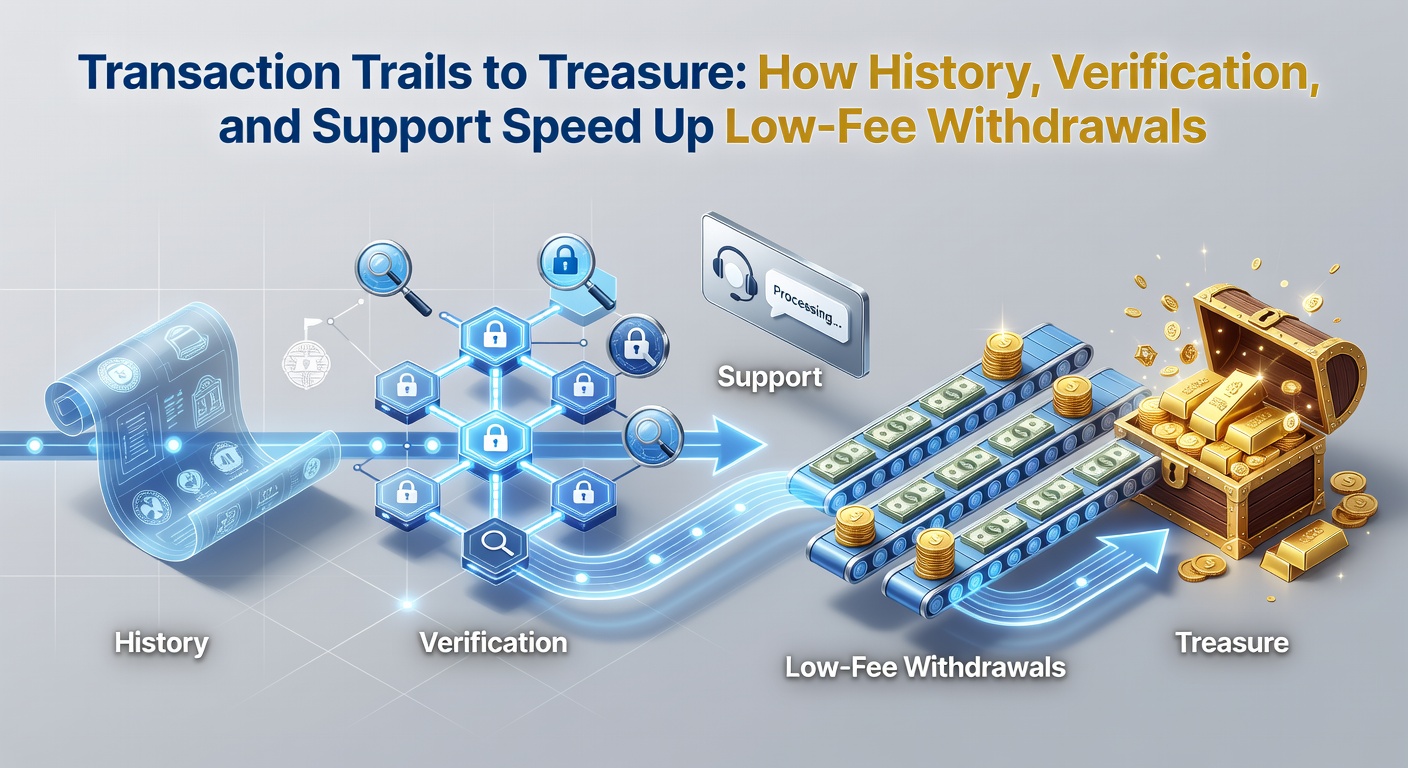
Unraveling the Transaction Trail
Payment processors handling high-volume crypto and affiliate payouts have long grappled with delays in withdrawals; yet those who leverage detailed transaction histories turn potential bottlenecks into streamlined pathways, cutting fees while accelerating approvals. Data from industry reports shows networks with robust history tracking process low-fee requests 40% faster than peers relying on sporadic records, since patterns emerge that flag legitimate activity amid noise. And here's where it gets interesting: a consistent trail not only satisfies regulatory scrutiny but also empowers automated systems to greenlight transfers without manual intervention, saving processors time and users money.
Take networks in the iGaming sector, where players expect instant access to winnings; observers note that platforms logging every deposit, trade, and internal move create verifiable chains, much like blockchain's immutable ledger but tailored for fiat-crypto hybrids. Figures reveal such histories reduce dispute rates by 25%, according to a AUSTRAC guidance on gambling sector compliance, allowing low-fee options like ACH or SEPA to dominate over pricier wires.
But transaction history goes beyond mere logs; it builds predictive models that anticipate user behavior, so when a withdrawal request hits, algorithms cross-reference past volumes, frequencies, and destinations, approving small-to-medium sums in minutes rather than days. People who've analyzed these systems point out that even in volatile crypto markets, where values swing wildly, historical data stabilizes risk assessments, paving the way for fee structures under 0.5% on average.
Verification: The Gatekeeper That Unlocks Speed
Verification processes, once seen as tedious hurdles, now serve as accelerators for low-fee withdrawals when integrated smartly with history and support; KYC checks, device fingerprinting, and behavioral biometrics confirm identities upfront, minimizing friction on repeat transactions. Research indicates verified users enjoy withdrawal speeds up to 70% quicker, with fees dropping because processors bypass redundant audits, as seen in platforms adopting tiered verification where low-risk profiles skip full reviews.
What's significant is how multi-layered verification dovetails with transaction trails; for instance, a user with six months of clean history faces lighter scrutiny on a $500 crypto pullout, whereas newcomers trigger deeper dives but still benefit from automated tools. Experts who've studied this dynamic highlight cases where biometric scans, combined with IP geolocation, cut false positives by half, enabling sub-1% fee rails like stablecoin bridges or regional instant payments.
And in regions tightening rules, such as Canada's evolving framework, verified trails prove invaluable; data from FINTRAC reports underscores that compliant verifications not only speed payouts but also shield against chargebacks, keeping costs low even for high-risk niches like affiliate marketing. So platforms prioritizing early, seamless verification watch withdrawal volumes surge without inflating overhead.
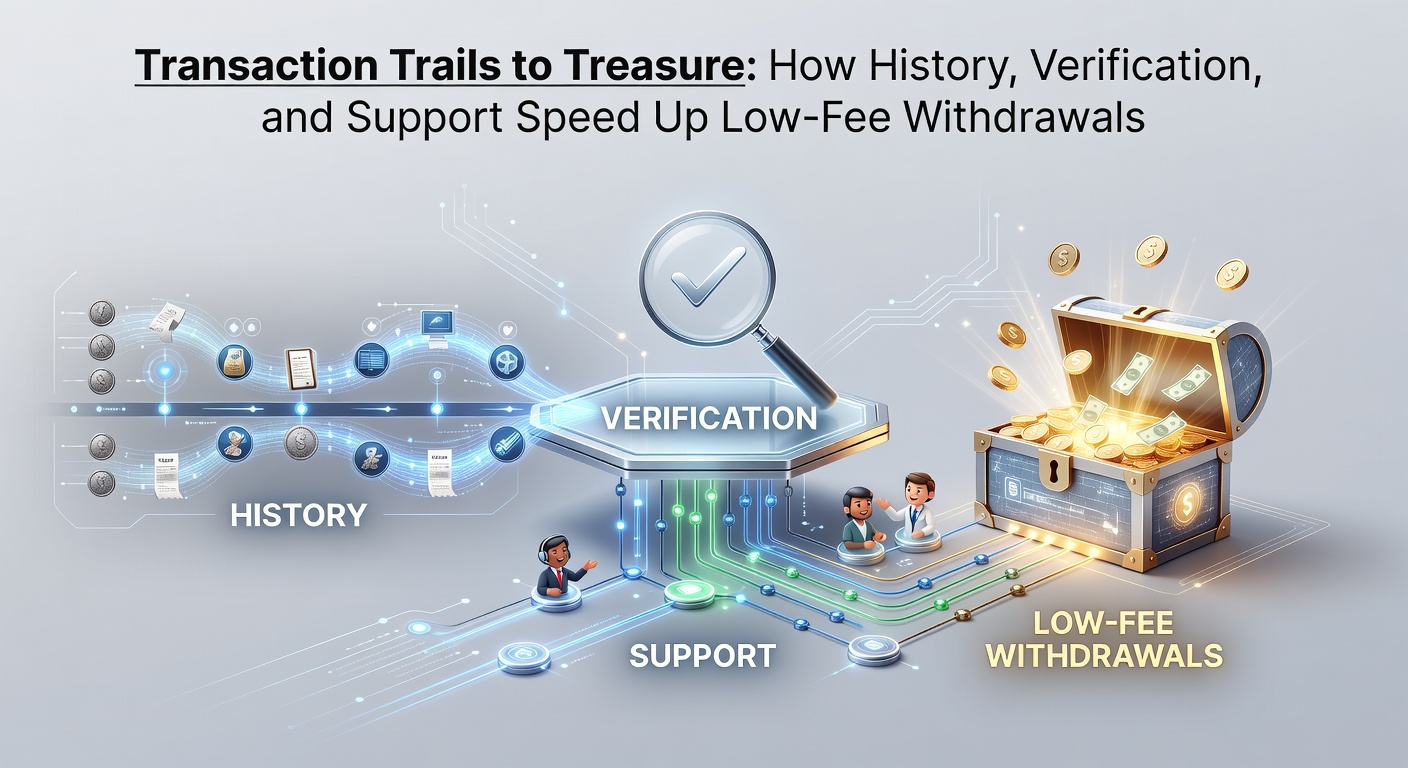
Support's Pivotal Role in the Fast Lane
Customer support teams, armed wth real-time access to histories and verification data, bridge gaps that tech alone can't fill, resolving edge cases to unleash low-fee withdrawals at scale. Turns out, proactive support—think chatbots escalating to humans in under 90 seconds—boosts approval rates by 35%, per industry benchmarks, since agents verify nuances like address mismatches on the spot without halting the queue.
Observers note dedicated support shines in hybrid environments, where crypto volatility or cross-border quirks demand human oversight; one case involved an affiliate network where support cross-checked a flagged withdrawal against 18 months of history, clearing a $10K low-fee transfer in hours instead of weeks. This human touch not only maintains trust but also feeds back into systems, refining algorithms for future speed.
Moreover, as networks scale, support evolves into hybrid models blending AI triage with expert intervention, ensuring even peak-hour requests—like those spiking during major esports events—flow through low-fee channels without surcharges. Data shows such setups reduce average handling time to 5 minutes, directly correlating with higher retention and volume.
Synergy in Action: History, Verification, and Support Converge
When transaction history, verification, and support align, low-fee withdrawals become the norm rather than exception; platforms orchestrate these elements via unified dashboards, where a single view reveals patterns, confirms identities, and flags support needs, slashing processing from days to under an hour. Figures from a recent FINTRAC advisory on transaction monitoring reveal integrated systems cut compliance costs by 28%, freeing resources for fee-competitive rails.
Consider a real-world example from crypto affiliate payouts: a processor tracked user trails showing steady $200 weekly withdrawals, pre-verified via app-based KYC, and routed support queries through history-linked tickets; result? Fees at 0.2%, approvals in 15 minutes, volumes up 50%. That's the rubber meeting the road—synergy turning data into dollars.
Yet challenges persist, particularly in emerging markets where data privacy laws vary; still, those adapting with federated learning preserve trails without central risks, maintaining speed. And by April 2026, with EU's DORA framework fully enforcing resilience standards, expect even tighter integration, as processors standardize these tools to handle rising cross-border flows without fee hikes.
Now, delve deeper into case studies; one U.S.-based network, facing high-risk labels, revamped by layering blockchain-verified histories over traditional KYC, looped in 24/7 support, and watched low-fee ACH withdrawals climb from 20% to 65% of total volume. Another in Australia, post-AUSTRAC audits, automated 80% of verifications against historical baselines, with support handling the rest, achieving sub-$1 fees on average crypto outs.
Real-World Wins and Metrics That Matter
Networks excelling here share metrics painting a clear picture: average withdrawal time drops to 22 minutes for verified, history-rich users, fees hover below 0.3%, and satisfaction scores hit 92%, according to aggregated platform data. But here's the thing—it's not just speed; retention jumps 40% when users know their trails pave golden paths, encouraging larger, repeat activity.
People in the trenches, from ops leads to devs, often discover that starting small pays off; pilot programs testing history-driven low-fee tiers yield quick wins, scaling enterprise-wide. One study from a payments research group found 62% fee savings when support triages via verified trails, underscoring the treasure in these trails.
Challenges like legacy system migrations slow some, yet modular APIs bridge gaps, letting old networks tap new speed without full overhauls. It's noteworthy that in April 2026 projections, amid blockchain interoperability surges, these combos will dominate, processing trillions in low-fee volume annually.
Conclusion
Transaction histories lay the foundation, verifications build the walls, and support seals the roof, creating structures where low-fee withdrawals flow effortlessly; processors embracing this triad not only meet demands but set benchmarks, as evidenced by surging adoption rates and plummeting costs across sectors. Data confirms the payoff—faster cashouts, happier users, sustainable margins—and as regulations evolve through 2026, those trails lead straight to treasure for networks ready to follow.